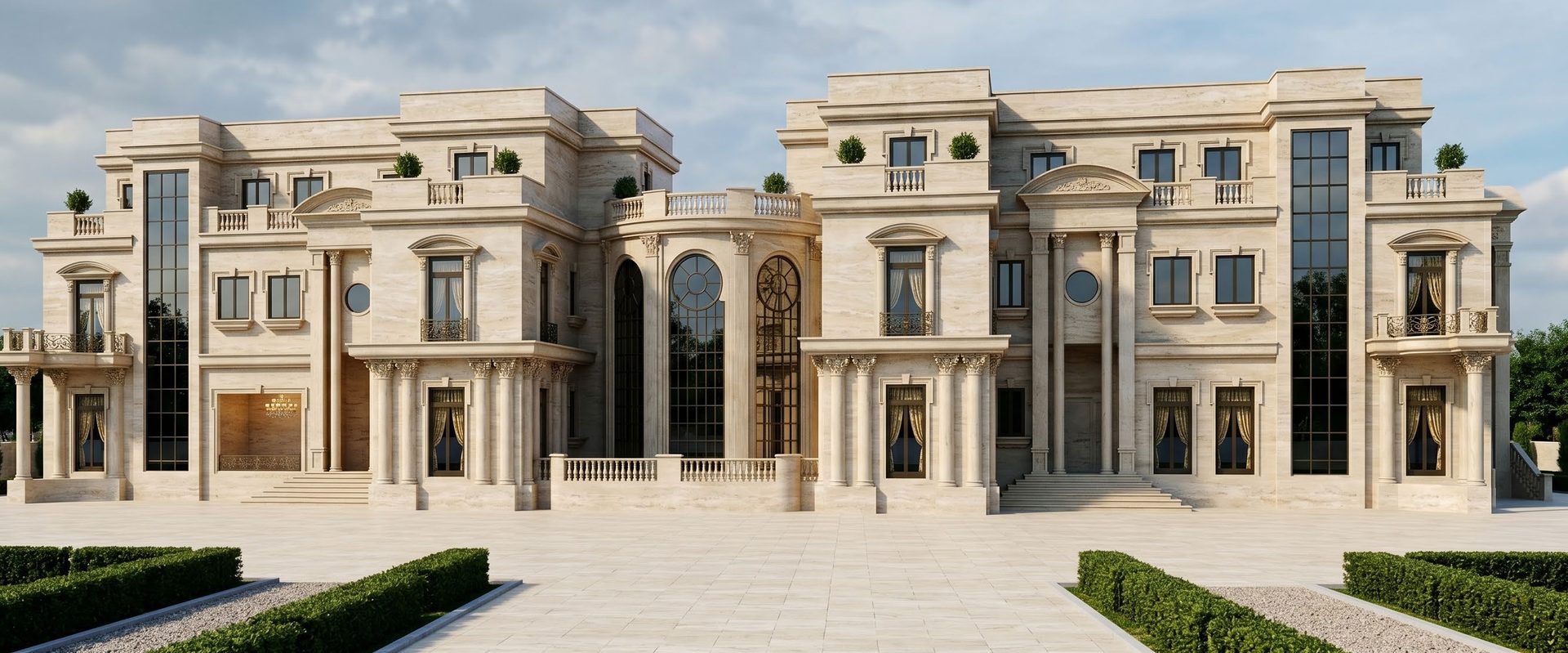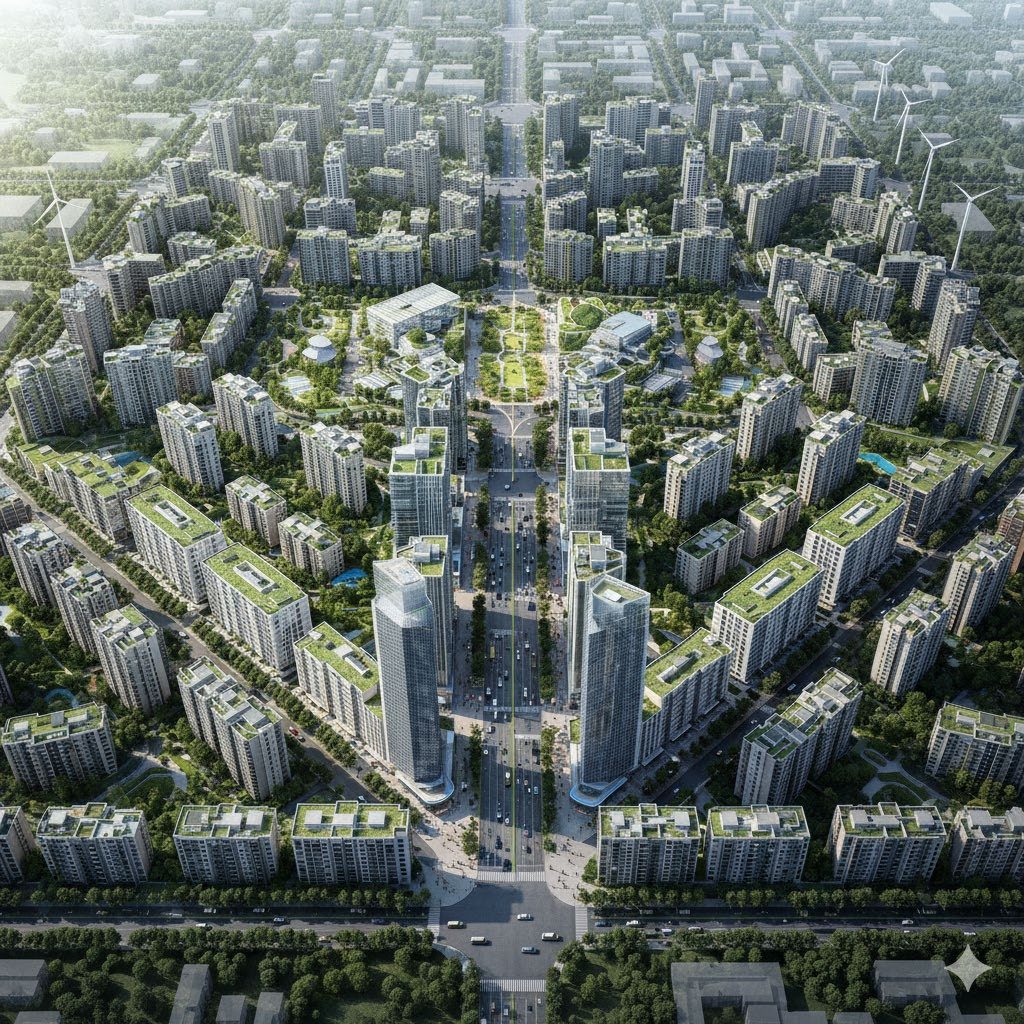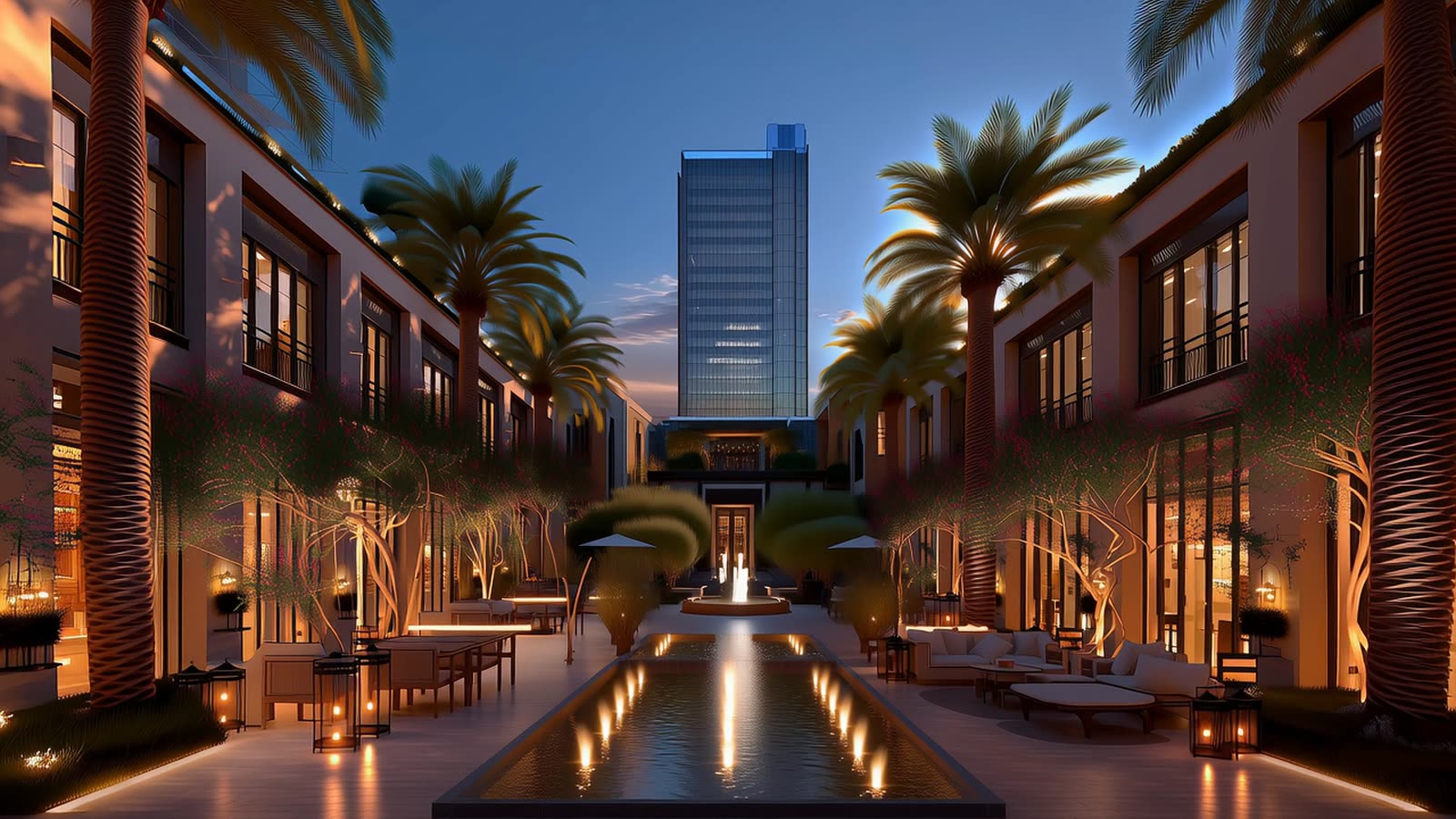
There is a quiet difference between a building that was sold and a place that is kept. You can feel it in the way a lobby ages, in whether the landscaping was planted for the photograph or for the decade. The difference is rarely about budget. It is about who still has to live with the result once the ribbon is cut.
For three-quarters of a century, our family has built in Jeddah under a single discipline: we do not develop places to leave them. We originate them, design them, build them, lease them, and then we stay to manage them. That last clause changes everything before it. When you know you will operate a building for a generation, you make different decisions about the things no one notices at first.
The transactional developer optimises for the moment of sale; that is simply what the incentive rewards. But the most important qualities of a place — how it wears, whether tenants renew and neighbours are proud — reveal themselves only after the transaction is over. A place built to be sold and a place built to be held are answering two different questions.
Patient capital is what lets us answer the harder one. We can choose the material that costs more today and less across thirty years; hold a tenant mix that strengthens a destination rather than the one that fills it fastest; let a location mature into its neighbourhood. Patience is not passivity — it is the freedom to be right slowly rather than wrong quickly.
And then there is reputation, the longest asset of all. When a family has built in the same city for seventy-five years, every new place is underwritten by every place that came before it. The best guarantee of quality is not a warranty. It is the certainty that we are not going anywhere. We have made that wager for three generations. The buildings are our argument.
ثمّة فرقٌ هادئٌ بين مبنىً جرى بيعه ومكانٍ يُحتفَظ به. تستشعره في الطريقة التي يتقادم بها بهوُ المدخل، وفي ما إذا كان التنسيق النباتي قد غُرِس من أجل الصورة أم من أجل العقد القادم. والفرق نادراً ما يكون مسألة ميزانية، بل: من الذي سيظلّ ملزَماً بالعيش مع النتيجة بعد أن يُقصّ الشريط؟
على مدى ثلاثة أرباع قرن، بَنَت عائلتنا في جدّة وفق انضباطٍ واحد: نحن لا نطوّر الأماكن لنغادرها. نحن من ينشئها، ويصمّمها، ويبنيها، ويؤجّرها، ثم نبقى لإدارتها. وهذا البندُ الأخير يغيّر كلّ ما يسبقه. فحين تعلم أنك ستُشغّل مبنىً لجيلٍ كامل، تتّخذ قراراتٍ مختلفة في الأمور التي لا يلحظها أحدٌ في البداية.
المطوّر القائم على الصفقة يُحسِّن كلّ شيء من أجل لحظة البيع؛ وهذا ما يكافئ عليه الحافز. لكنّ أهمّ خصائص المكان — كيف يصمد، وهل يجدّد المستأجرون، وهل يفخر الجيران — لا تتكشّف إلّا بعد انتهاء الصفقة. إنّ مكاناً بُني ليُباع ومكاناً بُني ليُحتفَظ به يجيبان عن سؤالين مختلفين.
ورأس المال الصبور هو ما يتيح لنا أن نجيب عن الأصعب. بمقدورنا أن نختار المادة التي تكلّف أكثر اليوم وأقلّ على مدى ثلاثين عاماً؛ وأن نحافظ على مزيجٍ من المستأجرين يُقوّي الوجهة؛ وأن نَدَع الموقع ينضج داخل حيّه. الصبر ليس سلبيّة، بل حرّية أن نكون على صوابٍ ببطء، لا على خطأٍ بسرعة.
ثم تأتي السمعة، أطول الأصول عمراً. فحين تبني عائلةٌ في المدينة ذاتها خمسةً وسبعين عاماً، فإنّ كلّ مكانٍ جديد تضمنه كلّ الأماكن التي سبقته. وأفضل ضمانٍ للجودة ليس كفالةً مكتوبة، بل اليقين بأنّنا باقون. لقد راهنّا هذا الرهان على مدى ثلاثة أجيال. والمباني هي حُجّتنا.