Every great city eventually outgrows its first map. Jeddah, the Kingdom's historic gateway, has spent generations expanding northward — a direction that, for a time, defined what an address was worth. Yet prestige is not fixed to a compass point.
It migrates toward opportunity, toward space, and toward the future being built rather than the one already settled. Today, that movement points decisively south.
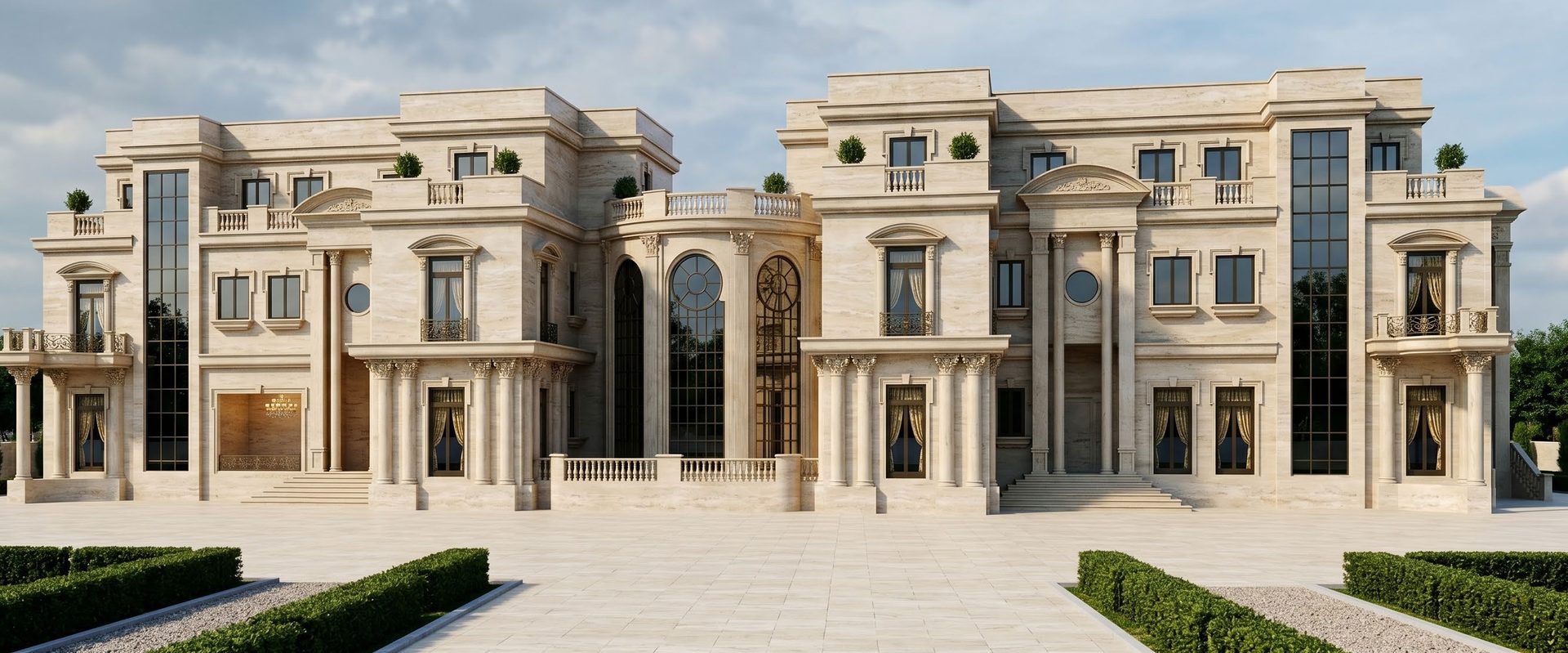
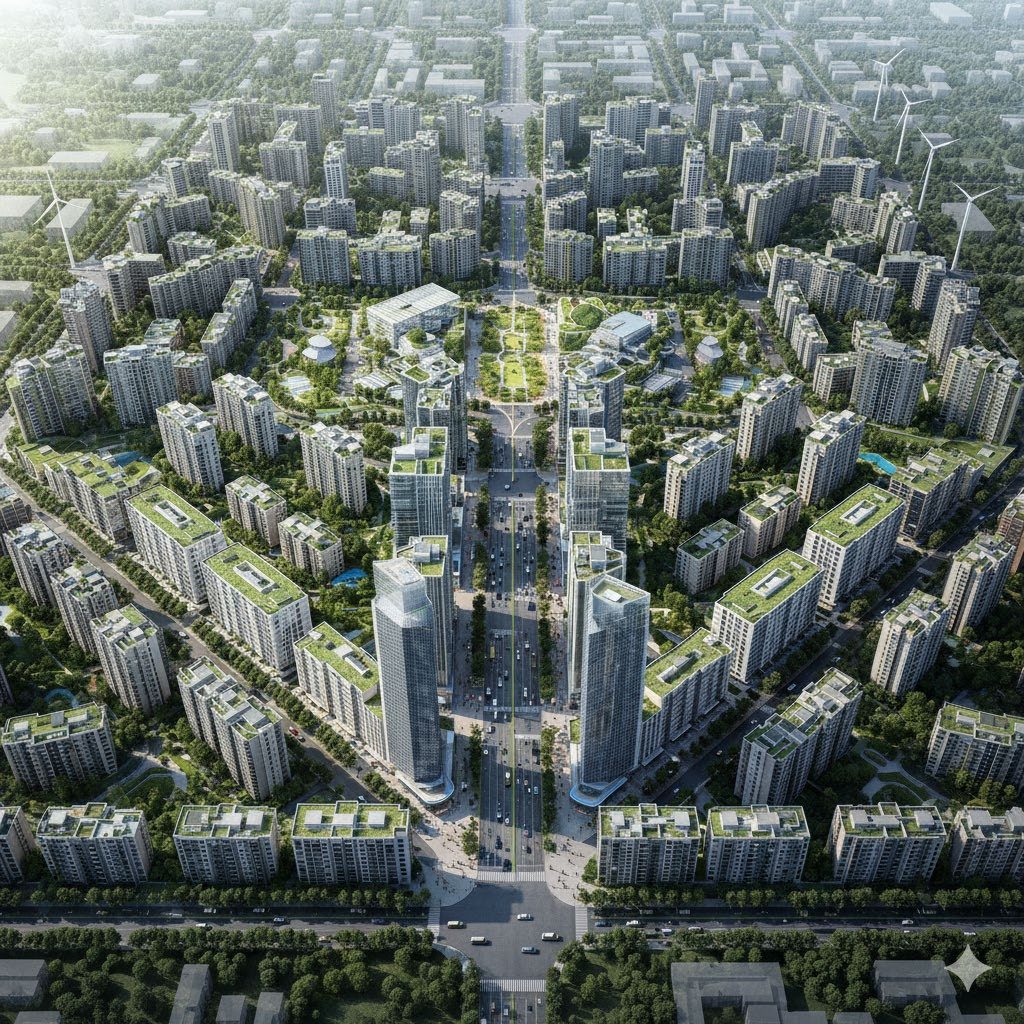
The reasons are structural, not sentimental. Jeddah's northern districts have matured into the density that maturity brings — land grows scarce, fabric grows fixed, and the room to imagine something genuinely new narrows accordingly. The south offers what is increasingly rare along this coast: scale. Here, ambition can begin with a generous canvas, the kind of open ground on which a master-planned community of a million square metres can be conceived as a single, coherent idea.
The land does not move; the meaning of its location does.
Scale alone does not make an address; direction does. The Kingdom's investment in connectivity increasingly favours the southern corridor, and as the city's mobility network deepens, distances that once felt peripheral are quietly recast as central.
Layered onto this is a generational shift in what discerning buyers seek: quality of life realised at scale — open space, considered design, the integration of work, leisure and home within a single envisioned environment. The established districts can rarely satisfy these ambitions without compromise. The south can satisfy them by design, because here the environment is not inherited but authored.
For a developer that has read this coastline across three-quarters of a century, the conclusion is less a forecast than an observation. The patterns that move a city are visible long before they are obvious — and the most far-sighted are already turning to face them.
لا بدّ لكل مدينةٍ عظيمة أن تتجاوز خريطتها الأولى يومًا ما. وجدة — بوّابة المملكة العريقة — أمضت أجيالًا في التوسّع شمالًا، اتجاهٌ ظلّ حينًا يُحدّد ما يستحقّه العنوان من قيمة. غير أنّ الوجاهة ليست مرهونةً بجهة.
فهي تهاجر صوب الفرصة، وصوب الفسحة، وصوب المستقبل الذي يُبنى. واليوم، تتّجه هذه الحركة جنوبًا بثقةٍ لا تردّد فيها.
والأسباب بنيويةٌ لا عاطفية. فقد بلغت أحياء جدة الشمالية ما يحمله النضج من كثافة؛ إذ تشحّ الأرض ويتجمّد النسيج العمراني. أمّا الجنوب فيمنح ما بات نادرًا على هذا الساحل: السعة. فهنا يبدأ الطموح من صفحةٍ بيضاء سخيّة، يمكن أن يُتصوّر عليها مجتمعٌ متكاملُ التخطيط بمساحة مليون متر مربّع كفكرةٍ واحدةٍ متماسكة.
فالأرض لا تتحرّك، وإنّما يتحرّك معنى موقعها.
والسعة وحدها لا تصنع عنوانًا، بل يصنعه الاتجاه. فاستثمار المملكة في الربط يميل على نحوٍ متزايد إلى المحور الجنوبي، وكلّما ترسّخت شبكة التنقّل أُعيدت صياغة مسافاتٍ كانت هامشيةً بالأمس لتغدو مركزية.
ويُضاف إلى ذلك تحوّلٌ جيليّ في ما ينشده المقتنون: جودة الحياة على نطاقٍ واسع — فسحةٌ مفتوحة، وتصميمٌ مدروس، وتكاملٌ بين العمل والترفيه والسكن في بيئةٍ واحدة. وهي مطامح يندر أن تلبّيها الأحياء القائمة من غير تنازل، بينما يلبّيها الجنوب بحكم التصميم؛ لأنّ البيئة هنا ليست موروثةً بل مؤلَّفة.
وبالنسبة إلى مطوّرٍ قرأ هذا الساحل عبر ثلاثة أرباع القرن، تبدو الخلاصة أقربَ إلى الملاحظة منها إلى التنبّؤ؛ فالأنماط التي تحرّك المدن تُرى قبل أن تغدو بديهيةً بزمنٍ طويل، وأبعدُ الناس نظرًا قد التفتوا بالفعل ليستقبلوها.