For most of the modern era, a home was understood as private shelter — a boundary drawn against the world. Vision 2030 has quietly proposed something more ambitious: that where a person chooses to live is also a statement about the kind of country they are helping to build. Real estate has moved from the margins of national planning to its centre, and changed what a Saudi address is permitted to mean.
The shift begins with quality of life. The reform agenda has made the daily experience of a place — its walkability, its access to culture and green space, the ease with which families gather — a measurable national priority. A residence is no longer judged solely by its square metres, but by the life it makes possible around it.
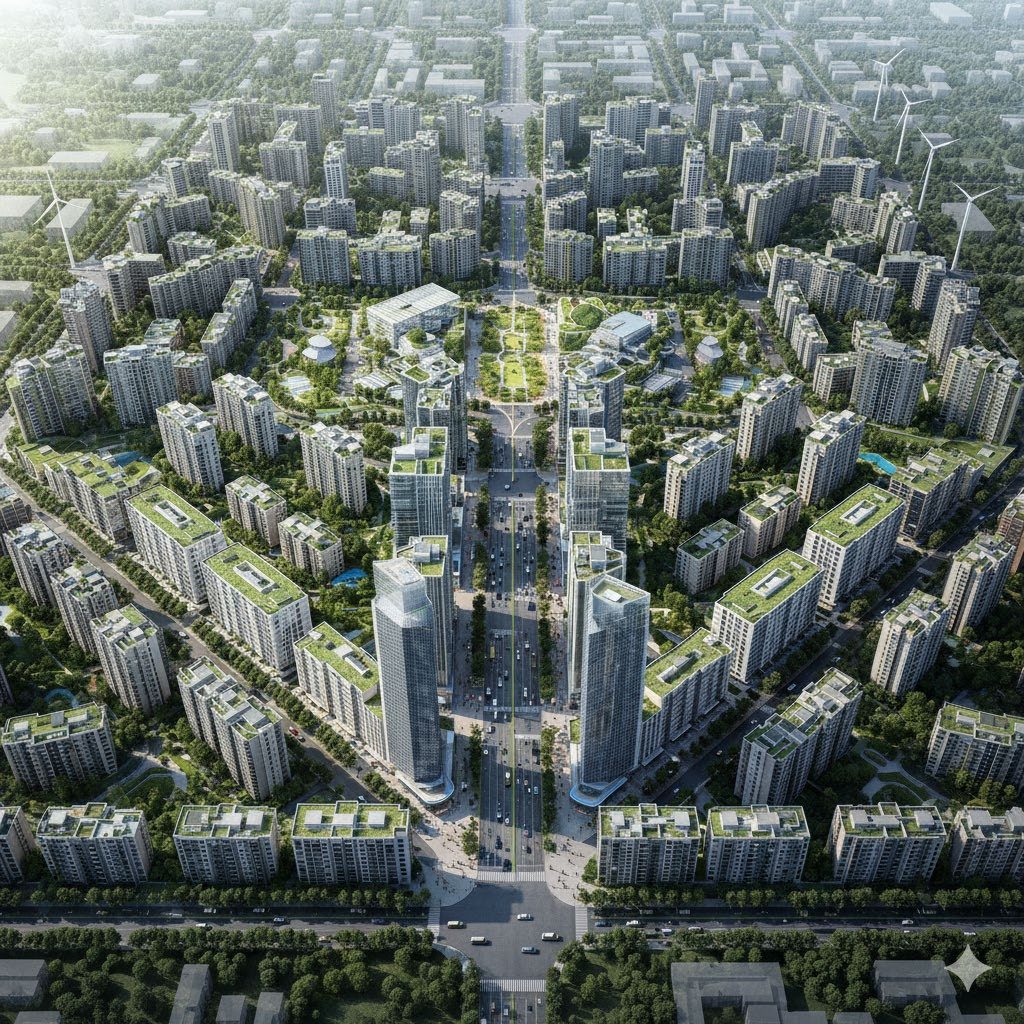
That ambition is most visible in the rise of destinations. The Kingdom is no longer building only buildings; it is composing places — where residence, leisure, culture and commerce are designed to belong to one another. In this register, an address becomes a form of belonging.
What follows is a different relationship with time, and therefore with value. When a place is built to endure, its worth is measured across generations rather than transactions. This is the deeper promise of the Kingdom's most considered projects — that they are built not to be sold once, but to be inherited.
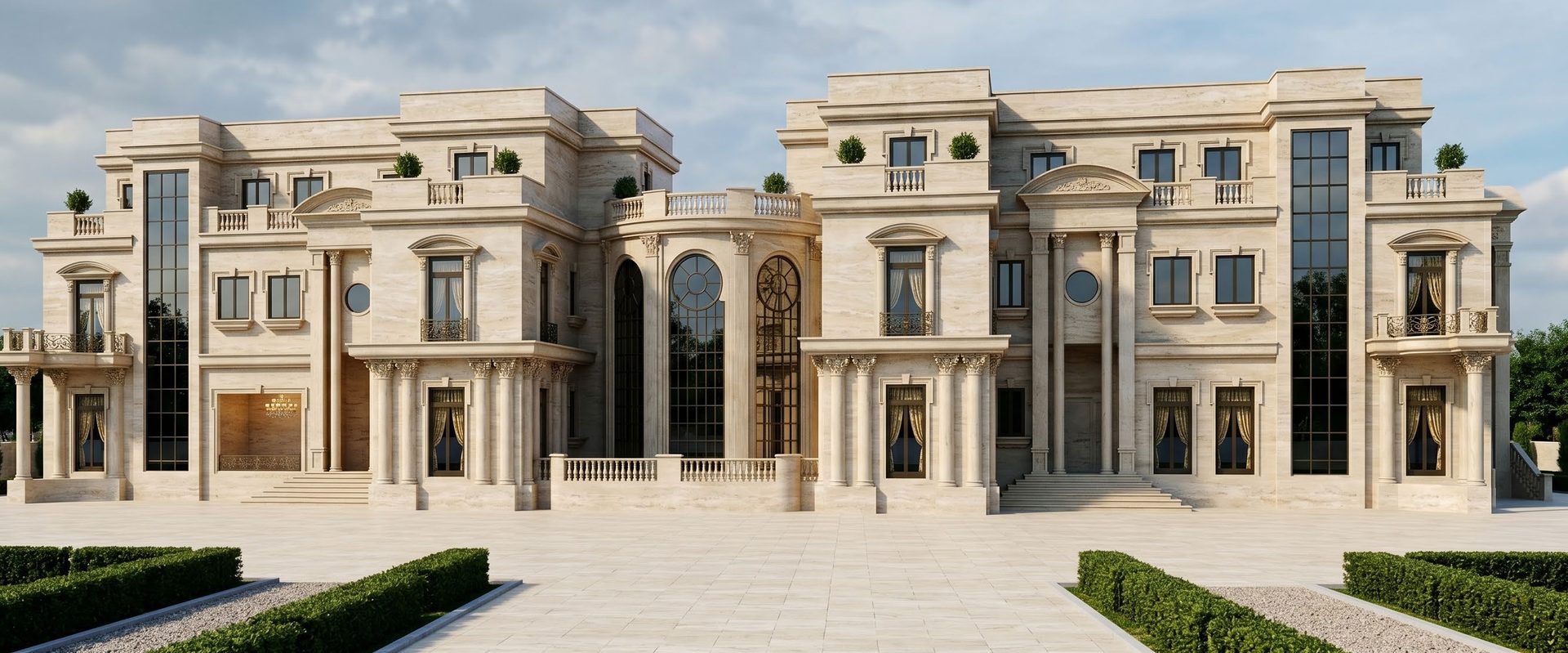
Heritage developers find themselves not adapting to the moment but recognising it. A house shaped by generations has always understood real estate as more than commerce. The Kingdom is writing a national story in the language of place; the developers most fluent in that language are those who have been speaking it for the better part of a century.
طوال الحقبة الحديثة، فُهِم المنزل بوصفه مأوىً خاصاً — حدّاً يُرسَم في وجه العالم. غير أن رؤية ٢٠٣٠ طرحت ما هو أبعد طموحاً: أن المكان الذي يختار المرء أن يعيش فيه هو أيضاً موقفٌ يعلنه تجاه الوطن الذي يُسهم في بنائه. لقد انتقل العقار من هوامش التخطيط الوطني إلى قلبه، فغيّر حدودَ ما يجوز أن يعنيه العنوان السعودي.
يبدأ هذا التحوّل من جودة الحياة. فقد جعلت أجندة الإصلاح من التجربة اليومية للمكان — من قابليته للمشي، وقُربه من الثقافة والمساحات الخضراء، ويُسر التقاء الأُسر فيه — أولويةً وطنيةً قابلةً للقياس. لم يعد المسكن يُقاس بأمتاره وحدها، بل بالحياة التي يُتيحها من حوله.
ويتجلّى هذا الطموح في صعود الوجهات. فالمملكة لم تعد تبني مبانٍ فحسب، بل تؤلّف أماكن — تنتمي فيها السكنى والترفيه والثقافة والتجارة بعضها إلى بعض. وفي هذا المقام، يغدو العنوان ضرباً من الانتماء.
وينشأ عن ذلك علاقةٌ مختلفة بالزمن، ومن ثَمّ بالقيمة. فحين يُبنى المكان ليبقى، تُقاس قيمته عبر الأجيال لا عبر الصفقات. هذا هو الوعد الأعمق في أكثر مشروعات المملكة تأنّياً — أنها لا تُبنى لتُباع مرّة، بل لتُورَّث.
ويجد المطوّرون أصحاب الإرث أنفسهم لا في موضع التكيّف مع اللحظة، بل في موضع التعرّف عليها. إن المملكة تكتب حكايةً وطنية بلغة المكان، وأكثر المطوّرين طلاقةً في هذه اللغة هم من ظلّوا ينطقون بها قرابة قرنٍ من الزمان.